

In today’s digital world, it’s vital for businesses to track user behavior. Understanding how users interact with your website or app helps improve their experience. To improve marketing campaigns, enhance user experience, or increase sales, you need accurate data.
This data helps you make smart decisions. That's where tools like Adobe Analytics and Branch come in. These two platforms team up to give you insights into your digital ecosystem. They help you track and measure user engagement across different channels.
In this blog, we’ll look at Adobe Analytics and Branch. We’ll explore how they work together and why using both can boost business digital strategies.
What Is Adobe Analytics?
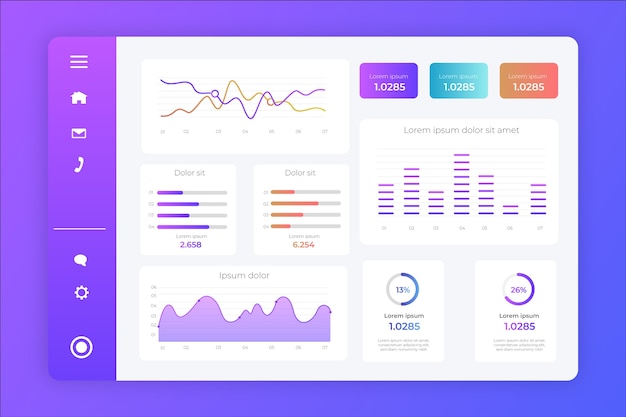
Adobe Analytics helps businesses collect and analyze data from websites, mobile apps, and other digital platforms. Adobe's marketing tools provide deep insights into user behavior. This helps businesses see how users engage with their content, products, and services.
Read Also: Google Full Coverage: 5 News-SEO Experts on Mobile Search Impact & Strategy
Key features of Adobe Analytics include:
-
Real-Time Analytics: It gives businesses live data. This helps them make fast decisions and react to customer behavior immediately.
-
Segmentation: Adobe Analytics lets users create segments. This helps track specific types of users or behaviors.
-
Custom Reporting: Create tailored reports and dashboards for your business needs.
-
Predictive Analytics: Adobe Analytics uses machine learning to forecast trends and customer actions. This helps businesses shape their future strategies.
Adobe Analytics helps businesses collect data from different sources. They can track user journeys and gain insights. These insights can enhance their digital presence.
What Is Branch?
Branch is a mobile linking and attribution platform. It helps businesses measure and improve their mobile marketing efforts. It focuses on deep linking. This means making links that take users to specific content in an app or website, even if the app isn’t installed yet.
Key features of Branch include:
-
Deep Linking: Branch lets businesses create custom deep links. These links direct users to specific content or pages, which enhances the user experience.
-
Attribution: It tracks where app installs and user actions come from. This helps businesses see which marketing channels work best.
-
Cross-Platform Analytics: Branch tracks user behavior on iOS and Android. This gives a full view of mobile marketing efforts.
-
Universal Links: Branch lets users make links that work smoothly on both websites and apps.
With Branch, businesses can see how well their marketing campaigns work. They can also improve their user acquisition and engagement strategies.
How Does Adobe Analytics and Branch Work Together?
Adobe Analytics and Branch are strong tools. When you integrate them, you gain even deeper insights. Adobe Analytics tracks user behavior on the web and mobile.
You Must Also Like: Top 5 + Affiliate Marketing Networks for Mobile Apps 2025
Branch focuses on user interactions in mobile apps. Combining these two tools helps businesses see the complete journey of their users. This starts from the first interaction and goes all the way to the final conversion.
Here’s how the integration works:
-
Tracking User Journey Across Platforms
Both Adobe Analytics and Branch track users across various devices and platforms. Branch measures mobile activities like app installs, deep linking, and in-app actions. Adobe Analytics shows how users interact with a website.
It tracks page visits and conversions. Integrating the two lets businesses track the whole user journey. This begins when a user clicks an ad or link. It goes on until they make a buy or interact with content on the website or app.
-
Attribution Across Many Channels
Attribution is a key feature of both platforms. Branch helps businesses link app installs and in-app events to marketing campaigns or referral sources. This way, companies can see which channels drive users to install their apps.
Adobe Analytics tracks how users behave on websites and apps. It gives insights into user interactions with digital content after app installation. When the two platforms work together, businesses can track actions on both web and mobile. This gives a full view of the customer journey.
-
Unified Reporting
Integrating Adobe Analytics with Branch creates a single reporting system. It combines data from different sources. Businesses can merge website and mobile app data into one dashboard.
This makes it easier to analyze user behavior and make informed decisions. You can check how well a marketing campaign works on mobile and web. Also, you can see how users engage with content and find areas to improve.
-
Optimizing Marketing Campaigns
Integrating Adobe Analytics with Branch helps businesses understand their marketing campaigns better. With Branch’s attribution tools, you can see which marketing channels or referrals lead to app installs.
Then, with Adobe Analytics, you can analyze how these users behave once they arrive at the app or website. This integration lets businesses fine-tune their marketing campaigns. It targets successful channels and increases user engagement.
Benefits of Combining Adobe Analytics and Branch
-
Comprehensive Data
Combining Adobe Analytics with Branch gives businesses detailed data for web and mobile. This helps improve decision-making. It also offers insights into customer behavior at each stage of their journey.
-
Improved Marketing ROI
By using both tools together, businesses can track their marketing spend and ROI with greater accuracy. Branch shows businesses which channels boost app installs and engagement. Adobe Analytics measures user behavior throughout the journey. This helps optimize marketing efforts for better returns.
-
Better User Segmentation
With both platforms working together, businesses can segment users more effectively. You can track users by their behavior on the web and mobile. This helps create personalized marketing and better-targeted campaigns.
-
Enhanced Customer Experience
Businesses can understand user behavior from different touchpoints. This helps them offer a more personalized and smooth experience. If a user clicks a link but doesn’t buy, businesses can use insights from Branch and Adobe Analytics. This helps retarget the user with personalized content, which can boost conversion rates.
How to Set Up the Integration?
Setting up the integration between Adobe Analytics and Branch requires a few steps. Here’s a general overview of the process:
-
Install Branch SDK in Your App: The first step is to install the Branch SDK into your mobile app. This will allow Branch to track user interactions and app installs.
-
Link Adobe Analytics to Branch: Once you install the Branch SDK, connect Adobe Analytics with Branch. This usually means setting up data integration with tools like Adobe Experience Platform. You can also use APIs to help the two platforms talk to each other.
-
Set Up Data Sharing: After connecting the platforms, set up data sharing between Branch and Adobe Analytics. Make sure to send user data from Branch—like app installs and in-app events—to Adobe Analytics for tracking and reporting.
-
Create Unified Reports: Once you complete the integration, you can make unified reports. These reports will pull data from both platforms. Adobe Analytics can now show mobile app data from Branch. This data appears with website and other digital touchpoint information.
Conclusion
In today’s fast digital world, businesses must use data to make smart choices. When companies combine Adobe Analytics and Branch, they can see useful insights about user behavior on both the web and mobile.
This integration tracks user journeys from the first click to the final conversion. It helps optimize marketing and improve customer experiences. As a result, it can greatly boost your business performance.
Using these tools helps businesses see the entire customer journey. They can optimize marketing campaigns and offer personalized experiences. Integrating Adobe Analytics and Branch can boost your marketing efforts. It’s a smart move for your business.
Get actionable insights and improved tracking. This way, you can make smart choices and elevate your marketing strategy!