
For decades businesses have believed in one timeless mantra : ‘Customer Is The King’. But the meaning of this line changes as the world changes! Both consumer trends and consumption patterns changed dramatically.
We have moved from the era of newspaper ads, radios jingles, flashy hoardings, engaging television commercials to an AI-driven digital world. Every new wave has changed how people discover products, compare brands and decide what to buy!
It just feels like just yesterday when we saw the rise of e-commerce websites opening doors to global brands with just a click! It just didn’t make the world accessible but changed the entire buying journey.
What Today’s Consumers Expect From Brands Online?
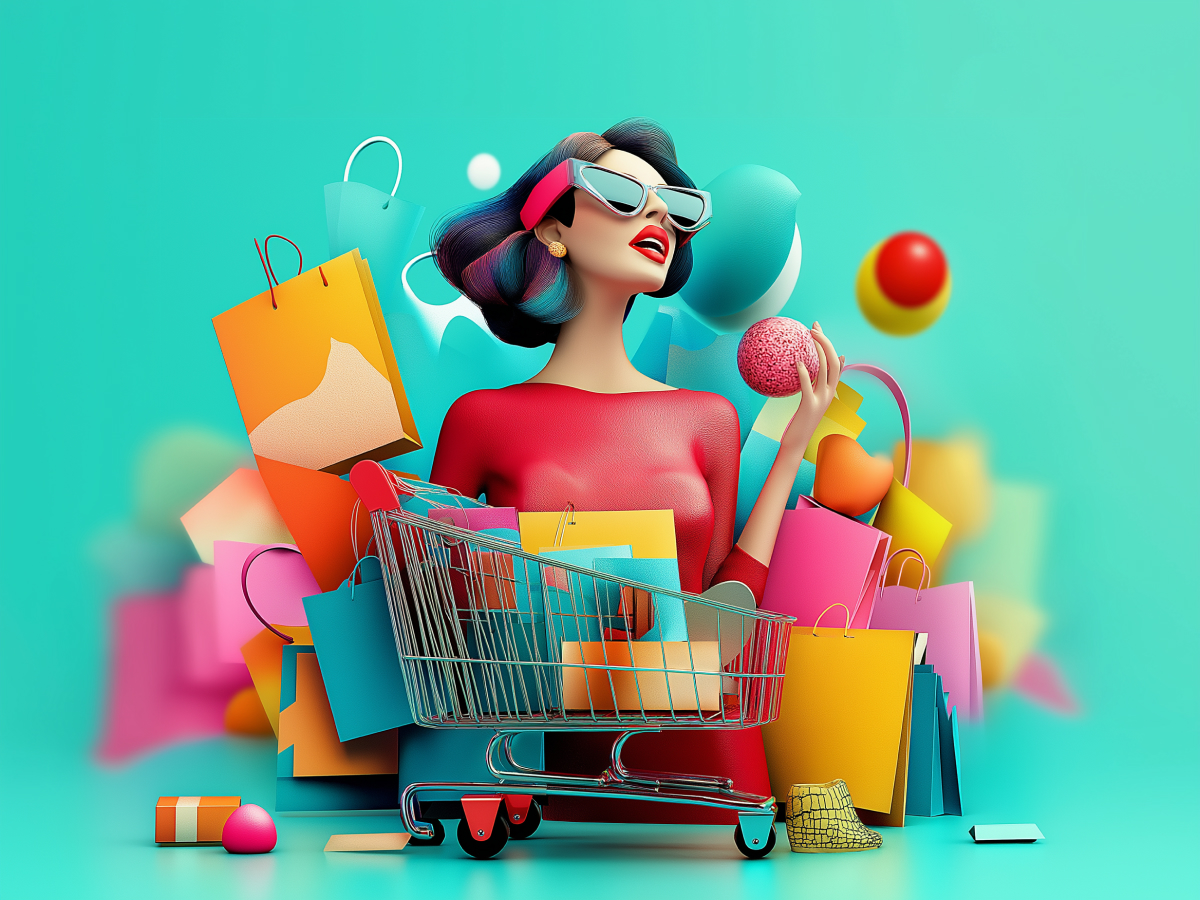
While once we relied on buying something which was beyond our access through the internet, the trend has literally shifted to making the smallest thing accessible like a packet of chips or a bottle of soda available online and delivered within minutes, despite being easily available at a shop near our house.
Read Also: Why Data-First Marketing is Replacing Gut-Based Decisions?
Through the years we have not only seen consumers' behaviour evolve, buying patterns change, but also brands reinventing their products and services along with their positioning, tonality and emotional connect.
We have indeed come a long way! Over the years as patterns kept on changing and we arrived in 2026 and now, this very phrase of ‘Customer Is The King’ has taken a deeper and more complex meaning that we will learn through this article today.
Today’s consumers are not simply looking to buy a product or prompt service to satisfy their needs, but they are considering brands through an entirely new lens shaped by algorithm driven feeds.
AI powered searches, privacy anxiety, and a growing desire for emotional honesty. Think of craving for a dessert only because you saw a notification perfectly timed after a meal-time from Zomato that feels like it was just crafted for you!
In order to understand this shift, lets look at five key shifts define modern consumer expectations.
Human in the Loop Brand Authenticity
Earlier, brands used celebrities to appear trustworthy! The message was polished, controlled and rehearsed and also a little distant! However today, consumers no longer trust the idea of “perfect”, rather they trust real humans!
Someone who is raw, real and imperfect. Thanks to social media that has changed the dynamics entirely where they relate far more strongly with creators across categories as they mirror their own lifestyles, budgets and problems.
This is called the human in the loop brand authenticity where people become part of how brands communicate! This shift matters only because it comes from a deeper expectation that consumers prefer relatability or resonance over desirability.
They want to see more real customers with real stories, the humans behind the brand like employees at work and founders explaining decisions, designers breaking down the process. In essence, to showcase everyday faces instead of curated stock visuals.
For instance, a skin care brand endorsed by an influencer like Prajakta Koli feels more credible than a globally admired star like Aishwarya Rai whose flawless skincare routine is shaped by teams, budget and access beyond everyday consumer’s reality!
Thus, this shift is not aesthetic rather psychological! The more digital the world becomes, the more human brands need to feel.
The Aesthetic of Exhaustion
Everyone is overstimulated! There is too much of content. Too many notifications. Too many things competing for attention. Eventually leaving consumers mentally drained!
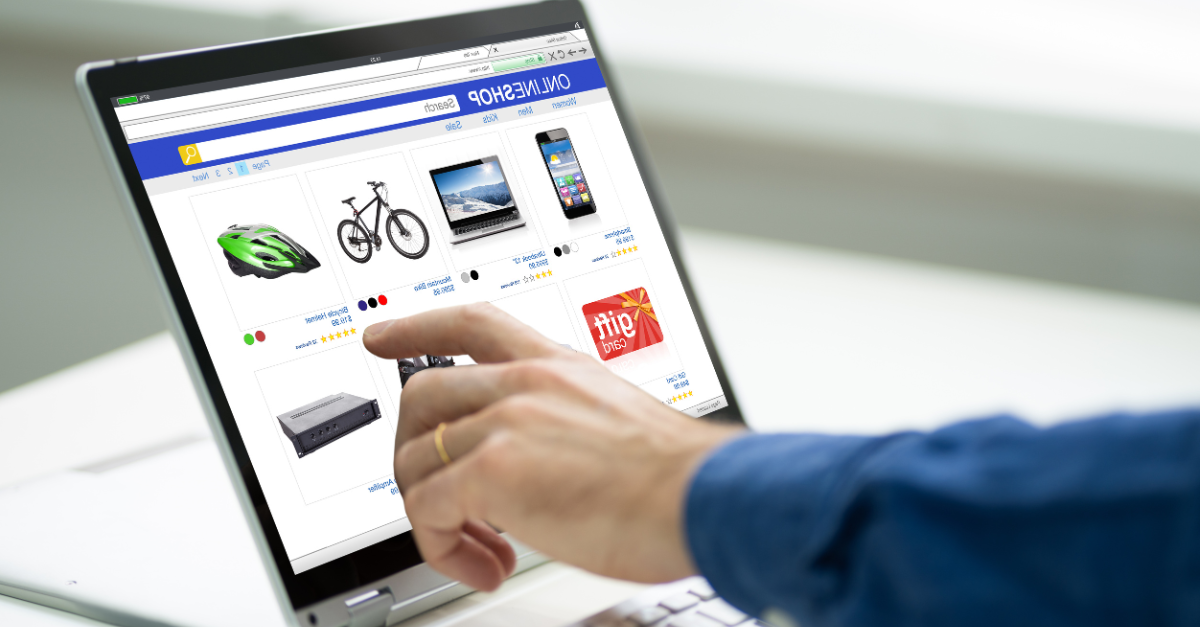
The content style that once demanded attention with loud colours, dramatic taglines and high-end edits now honestly feel overwhelming.
You Must Also Like: Which Social Media Marketing Services Offer Content Creation?
Well this fatigue has now given rise to what we call as the aesthetic of exhaustion where brands are now leaning towards soft, simple, slow, peaceful, easy on eyes and mind kind of content. Now do you realise why ASMR videos are so popular? Because people want something that relaxes them!
In the pre-digital era, attention was little hence the brands had to shout in order to be heard! But 2026 attention? = ABUNDANT! and emotional energy? = SCARCE! which means brands must whisper to be welcomed.
A great example of this shift would be Kusha Kapila’s strategy to introduce her intimate wear ‘Underneat’. Instead of a high-decibel campaign, she began softly sharing informational content through her page which was simple, relatable tips on what lingerie fits best under a particular outfit.
There was no bold sales cue or aggressive positioning! This gentle almost “non-launch” approach created a safe, slow and emotionally light onboarding for her audience.
By the time she revealed her brand ‘Underneat’ the transition felt seamless as the audiences had moved with her emotionally, resulting in shifting to her brand’s social media pages instinctively. And this is exactly what people are looking for these days, a content that feels gentle and not a demand!
Privacy-First Personalization
Personalization is exciting! Apps suggests products, ads matching our interest, websites remembering everything we like. But do consumers really want that? Unlike earlier times where data collection was not regulated, people actually started worrying about how much data did the brands collect.
Hence, consumers today demand privacy first personalization trade offs where they no longer say, “Personalize everything for me!” rather, the demand is, “Personalize but also tell me how and why!” All-in-all, people are not okay with apps tracking silently, they want fair, human, transparent data exchanges!
Tangible Rewards for Present Well-Being
In a hyper-digital, hyper-automated world today consumers are looking for benefits NOW and not later! Earlier the loyalty programmes worked like collecting points, waiting for months and then finally getting the reward.
Now people need tangible rewards for present well-being with things that make them feel good instantly! Be it small discounts, instant free deliveries, wellness add-ons, quick service upgrade, etc.
For example, Zomato sending a small discount code right after dinner time feels like the app is thinking about you or Zepto selling onions at ₹1 feels like the app does care for its customers by offering vegetables at this negligible price.
Even if the reward is tiny it feels like a comfort! Consumers don’t want future promises but something that makes their day easier today or right now!
The Rise Of Radical Transparency & Frictionless Digital Journeys
Consumers in 2026 are very well aware and able to assess when something feels forced, fake or manipulative! This is why radical transparency of a brand is a must.
People want brands that are open and transparent. They expect clear prices, no hidden charges, no confusing language, clean and simple UI, easy to follow check-out flows, real faces over stock photos, visible and honest information on AI-overview searches.
Basically anything hidden, complicated or unclear reduces the trust and this seamlessly connects to another expectation of frictionless decision path of the brand.
So if a journey from interest to buying is not smooth, people drop off immediately. The brands winning today are the ones that feel easy, honest and straightforward!
These five shifts show how consumers want something very simple, ie, Humanity + Honesty + Ease. The digital world which has become louder, bigger and faster, consumers want the opposite of something that gives clarity, comfort and truth!
So in order to stay relevant, a brand must feel human, communicate openly, offer instant emotional value, respect privacy and make every click feel smooth and safe!