
If you have updated your iPhone to the latest software, you have met iOS 26 Liquid Glass. It is the new shiny, translucent look that Apple has applied to your dock, folders, and widgets.
In theory, it looks sleek—like frosted glass floating over your wallpaper. But here is the honest truth that Apple’s marketing material doesn't show you: sometimes, it is a readability nightmare.
I have been testing iOS 26 since the to begin with beta. And after weeks of utilizing it every day, squinting at low-contrast content, and tuning in to companions complain, I realized something important. You do not have to fair "live with it.
Whereas you cannot hit a single "off" switch, you can absolutely fix this impact so your phone looks clean, strong, and lucid again. If you are looking for how to turn off fluid glass iOS 26 since it harms your eyes or fair feels diverting, you are in the right put. This direct isn't almost buildup; it is about what really works.
What Exactly Is iOS 26 Liquid Glass? (And Why Would You Want to Kill It?)
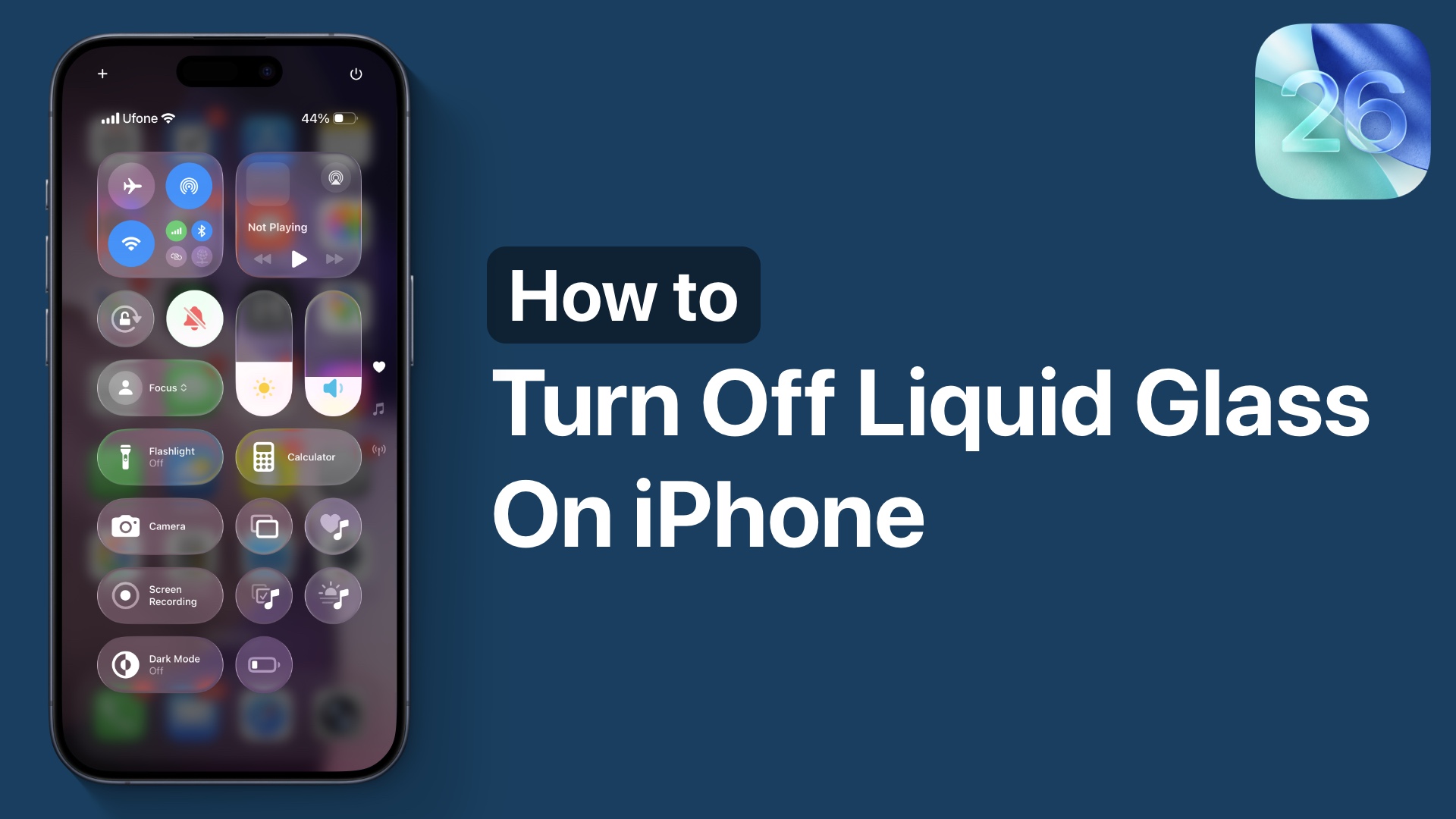
Before we fix it, let’s understand what we are dealing with. iOS 26 Liquid Glass is a design language inspired by the Vision Pro headset. It adds a layered, translucent effect to the interface.
Related Article: How to Sideload Apps iOS Without Revoke iOS 15?
Your wallpaper colors bleed through menus, and icons look like they are sitting on a wet, reflective surface.
The Good (According to Apple):
-
It creates a sense of depth.
-
It looks "futuristic" on light backgrounds.
-
It adapts to your wallpaper (Tinted mode).
The Bad (Real User Experience):
-
Readability issues: On busy or dark wallpapers, white text gets lost in the gloss.
-
The "Crooked" Illusion: Some users report that the glare on icons makes them look misaligned or crooked, causing visual discomfort.
-
Distraction: Instead of focusing on your apps, you are focusing on the "shine."
-
Accessibility Fail: For users with visual processing issues or autism, the transparency can be genuinely disturbing.
So, can you turn it off? Technically, no. Practically, yes. Let’s get into the step-by-step guide to disabling the visual chaos.
1: The Accessibility Hammer (The Most Effective "Off" Switch)
If you need to get as near to the old iOS 18 see as conceivable, you need to jump into the Openness settings. This is the atomic alternative, and it works way better than anything else.
Think of iOS 26 Liquid Glass as a piece of tinted cellophane over your screen. The "Decrease Transparency" setting tears that cellophane off.
The Step-by-Step Fix:
-
Open the Settings app.
-
Scroll down and tap Accessibility.
-
Tap Display & Text Size.
-
Toggle Reduce Transparency to ON.
What this actually does: Instantly, the blurred backgrounds in Control Center, the Notification Center, and folders vanish. They turn into solid, opaque gray or black surfaces. Text pops again.
You Must Also Like: The First Beta of Android 15
Pro Tip: While you are in here, consider toggling Increase Contrast on as well. This adds borders to buttons and makes text stand out even more against the background. It is a game-changer for usability.
2: Change the Icon Style (The Visual Fix)
iOS 26 introduced a specific menu just for the look of your Home Screen. Apple calls this the Liquid Glass Style. You have options here that drastically reduce the "gloss."
How to access it:
-
Long-press on an empty space on your Home Screen (until the icons jiggle).
-
Tap the Edit button in the top-left corner.
-
Select Customize.
-
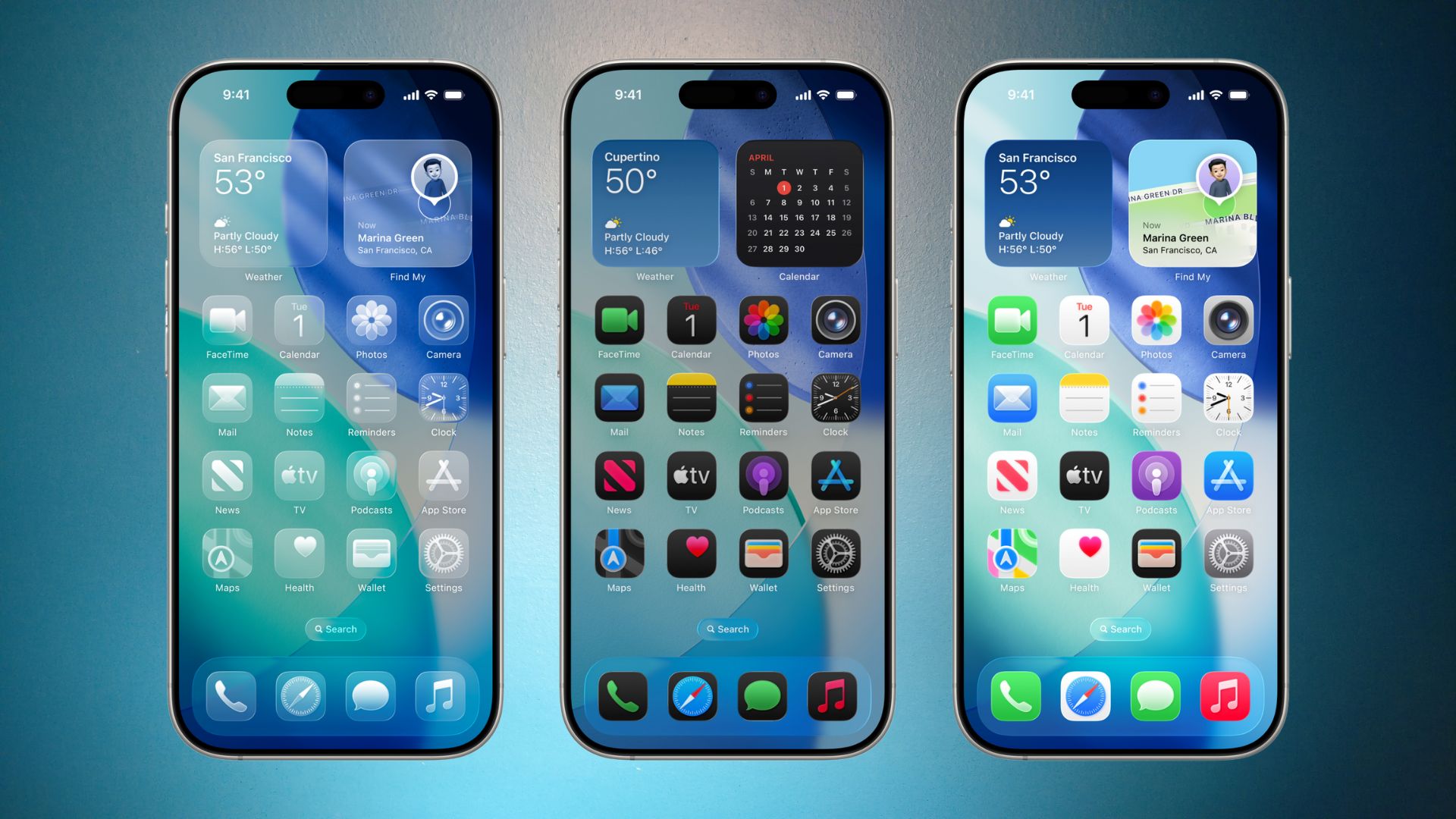
You will see three options: Clear, Tinted, and Default.
Which one should you pick to turn off the effect?
-
Clear: This is the "full" liquid glass look. Avoid this if you want to reduce the effect.
-
Tinted: This makes the interface more opaque and pulls a solid color from your wallpaper. It reduces the "glass" look significantly but still feels modern.
-
Default (or Dark/Light): This is your safest bet. It removes the transparency and gives you a standard, solid icon background.
My Experience: I keep my phone on "Default" during the workday for clarity. It is less distracting.
3: Wallpaper Selection (The Cheat Code)
Here is a architect mystery. iOS 26 Liquid Glass is intelligently. The "glass" looks the way it does since of what is behind it. If you evacuate the active foundation, the glass impact gets to be nearly invisible.
The Settle: Switch to a strong color backdrop or a exceptionally dim angle.
-
Solid Black: If you set a pure black wallpaper (especially on an OLED iPhone like the iPhone 15 or 16), the "black" of the glass merges perfectly with the black of the wallpaper. It looks like a solid screen.
-
Muted Tones: Choose a wallpaper that matches the "Tinted" mode color for a cohesive look.
4: Taming the Lock Screen Clock
One of the biggest complaints about iOS 26 Liquid Glass is the Lock Screen clock. By default, it is transparent. You can see your wallpaper through the numbers.
This looks cool in ads, but in real life, it makes the time hard to read at a glance. How to fix the clock:
-
Wake your iPhone and long-press on the Lock Screen.
-
Tap Customize.
-
Tap on the clock face.
-
You will see a slider and two options: Solid and Glass.
-
Select Solid.
-
Use the slider to adjust the opacity—crank it to 100% opaque.
Now, your clock is a solid, readable element, not a ghost.
The Hard Truth: What You Cannot Turn Off
Let’s keep it 100% real. Even after doing all of the above, iOS 26 Liquid Glass is not completely dead. Apple has baked this into the core code.
Elements that remain "glassy" even after hacks:
-
Control Center: Even with Reduce Transparency on, the Control Center retains some blur. It is less intense, but it is there .
-
App Library: The search bar and backgrounds will still have a slight blur.
-
The Dock: The Dock remains reflective.
If you want to kill these, your only option is to submit feedback to Apple or, as some angry users in forums have suggested, stick to iOS 18 . But for 95% of the interface, the methods above solve the problem.
Troubleshooting: Why Is My iOS 26 Still Glossy?
If you followed the steps and your screen still looks like a wet window, check these boxes:
-
Did you toggle the right setting? "Reduce Transparency" is the king. The "Customize" menu just changes icon styles; it doesn't remove background blur from menus.
-
Did you restart? Sometimes iOS needs a quick reboot to apply Accessibility changes system-wide.
-
The "Crooked" Icons: If your symbols see warped or tilted, that is an optical dream caused by the shadowing in iOS 26 Liquid Glass. The as it were way to minimize this is to utilize a non-black backdrop and empower "Reduce Motion" in Openness settings to murder the parallax impact.
Should You Disable Liquid Glass?
It depends on your priority.
| If you prioritize... | Then... | Recommended Action |
|---|---|---|
| Aesthetics & "New" Feel | You might actually like the Liquid Glass. | Stick with Clear or Tinted mode. Use dynamic wallpapers. |
| Readability & Productivity | You need to read emails and messages quickly. | Enable Reduce Transparency and set the clock to Solid. This is the best experience-based advice. |
| Battery Life (OLED models) | You want to save power. | Use a Black Wallpaper with Reduce Transparency on. Pixels turn off on black, saving juice. |
Conclusion
Apple markets iOS 26 Liquid Glass as a include. But for numerous of us, it is fair visual commotion. The great news is, you have control. You do not need to endure through eye strain or diversion holding up for Apple to alter its mind.
By investing two minutes in the Availability settings and tweaking your Wallpaper, you can viably turn off the perspectives of Fluid Glass that bother you.
You get the solidness of the new iOS 26 update without the diverting shimmer. Have you found another way to tame the glass? Share your involvement underneath.