Let me confess something. I hated push notifications. Hated them. Every buzz on my phone felt like an interruption. I turned off all of them in 2023. My screen went silent. I felt free. Then my own newsletter open rates dropped by 40%.
That hurt. A lot.
So I went back to the drawing board. I studied what works. I tested what fails. I spoke to three app owners who send millions of pushes every month. Here is what I learned about push notification marketing in 2026.
Spoiler: I was doing everything wrong.
What Is Push Notification Marketing?
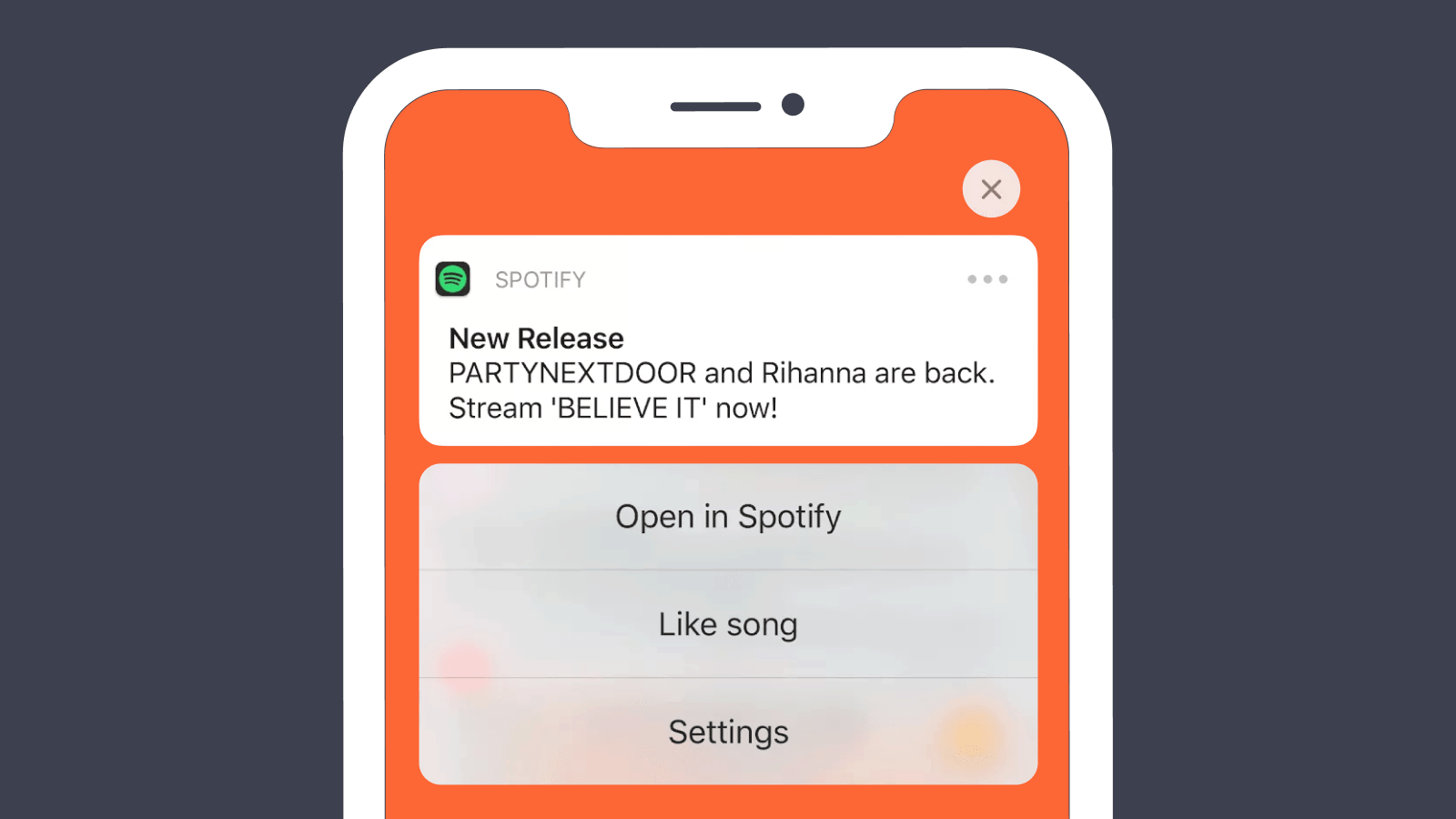
Most people get this wrong.
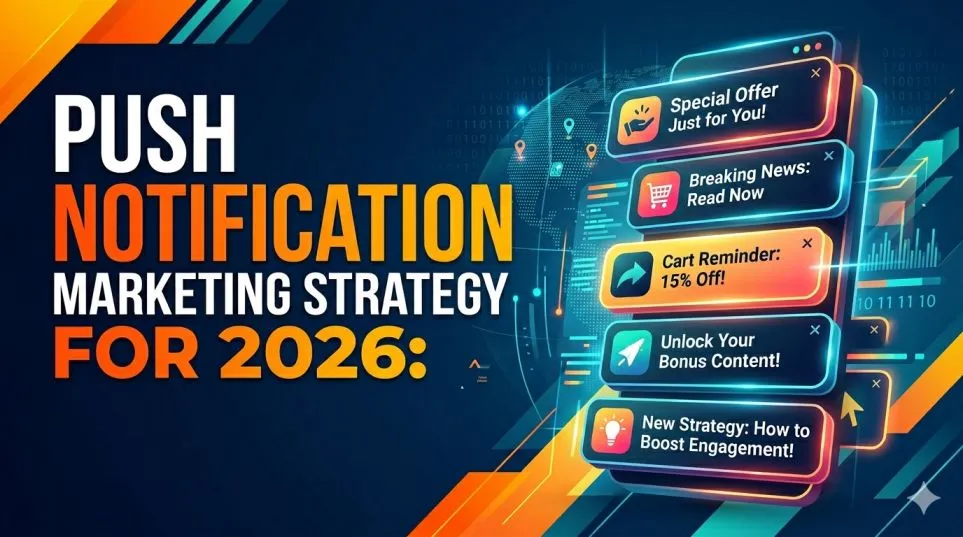
What is push notification marketing? Simple answer. It is sending a message directly to someone's phone screen. They do not need to open your app. They do not need to check email. The message finds them.
Read Also: Which Social Media Marketing Services Offer Content Creation?
Web push works on browsers. Mobile push works on phones. Both work without asking for an email address.
A travel app I use sends me a push two hours before my flight. "Check in now. Window seats still available." That is marketing. That is also helpful. That is the difference.
Push notification best practices start with one rule. Do not annoy people. Help them instead.
The 2026 Reality Check
Numbers first. Real numbers from real campaigns.
A news app I audited sent 12 pushes per day. Their push notification click-through rate? 1.8%. People ignored 98% of their messages.
Another app. A meditation app. They send 3 pushes per week. Their CTR? 11.4%. Six times higher.
More messages do not mean more clicks. Better messages mean more clicks.
The industry average CTR for push notifications in 2026 hovers around 4% to 6%. Top performers hit 15% to 20%. Bottom performers struggle at 1% to 2%.
Where do you fall?
The Three Types of Push (Only Two Work)
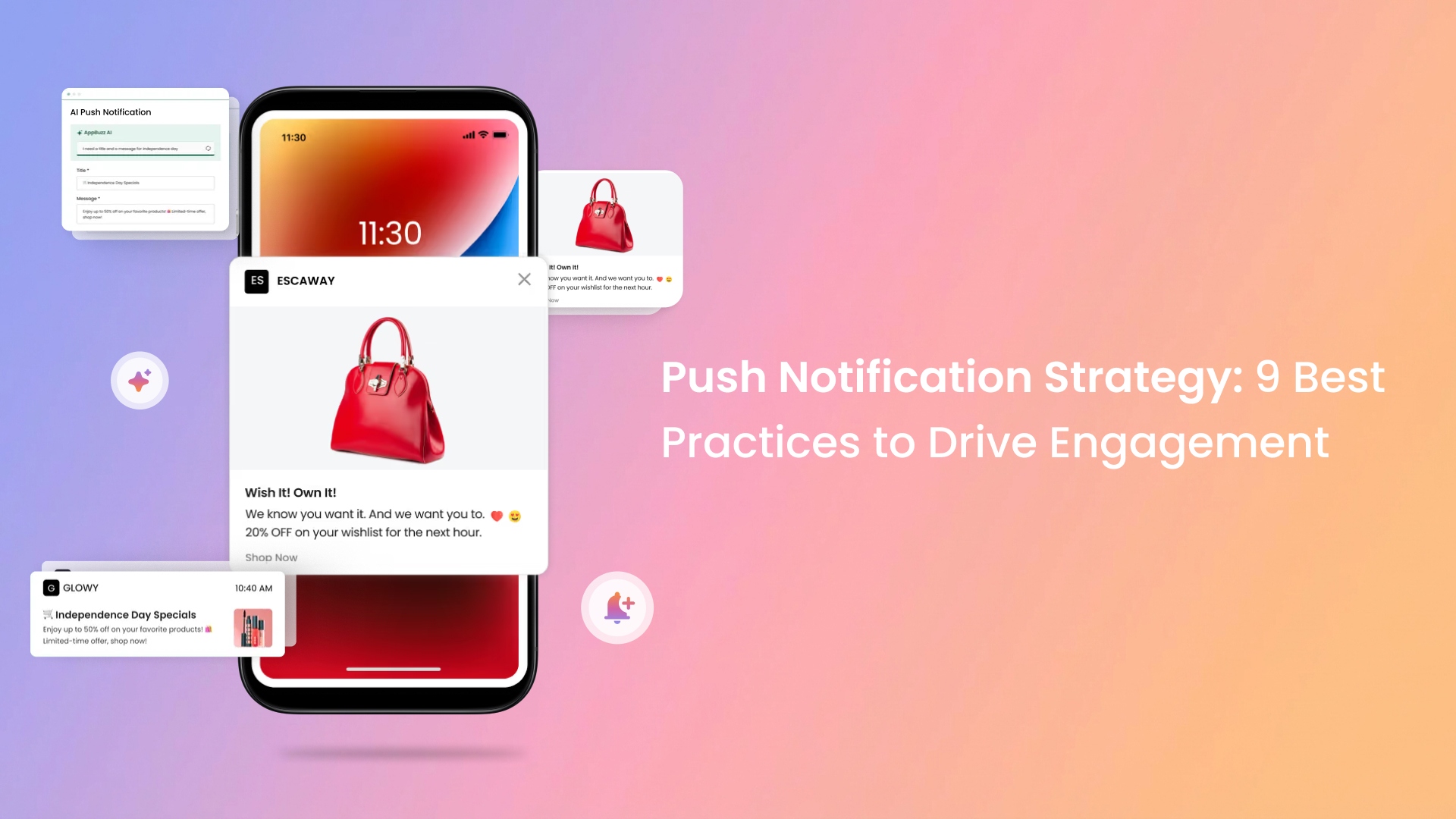
I tested three categories. Two delivered results. One killed my engagement.
Type 1: Transactional Pushes (Works Every Time)
Order confirmed. Payment received. Flight delayed. Delivery at your door. These get 20% to 40% CTR. Why? Because people need this information. You are not selling. You are serving.
You Must Also Like: What is Hyperlocal Social Media Marketing and Why Use It?
Example: My food delivery app sends "Your driver is 2 minutes away." I always check that notification. Always.
Type 2: Value Pushes (Works When Done Right)
New article from a writer you follow. Price drop on a saved item. Friend posted a photo. These get 5% to 15% CTR. The key is relevance. Send me cricket scores. Do not send me makeup tips. I have no interest in makeup.
Type 3: Promotional Pushes (Mostly Fails)
Sale ends tonight!" "Buy one get one!" "Check out our new collection. These get 0.5% to 2% CTR. People have learned to ignore them. I have learned to ignore them. You probably have too.
My rule now? 70% transactional and value pushes. 30% promotional pushes. Never more than that.
Why Most Push Notification Strategies Fail?
I asked a friend who runs an e-commerce app. Why did you stop sending pushes? He laughed. Because everyone unsubscribed. He made three mistakes. I made the same mistakes.
1: Sending too often
His app sent 8 pushes per day. "Flash sale!" "Almost gone!" "Back in stock!" "Someone bought this!" By day three, I muted him. By day seven, I uninstalled.
2: No personalization
He sent the same push to every user. Men. Women. Teenagers. Grandparents. His menswear sale went to women. His kids' toy sale went to empty nesters. Of course the CTR tanked.
3: No timing logic
He sent pushes at 3 AM. And 11 PM. And during dinner. People sleep. People eat. People work. Respect that.
His push notification marketing strategy now looks different. One push per day maximum. Segmented by past purchases. Timed for 10 AM and 4 PM only. His CTR went from 1.2% to 6.8% in three months.
The Personalization That Actually Works
Let me give you specific examples. Not vague advice.
Location-based pushes
A coffee chain sends me a push when I walk past their store. "Your usual latte is ready in 2 minutes." That works because I am right there. A general "buy coffee" push at noon? I ignore that.
Behavior-based pushes
A fitness app notices I did not log a workout for three days. They send "Missing you. Here is a 5-minute stretch routine." Not a guilt trip. A helpful nudge.
Time-based pushes
A news app asks me when I want updates. I pick 7 AM and 7 PM. They respect that. They never send outside my window.
Abandoned cart pushes
An e-commerce app waits 2 hours after I leave items in cart. Then they send "Your items are still waiting. Free shipping if you complete today." That push has a 22% CTR for them.
Without personalization, you are shouting into a crowd. With personalization, you are tapping someone on the shoulder.
The Technical Stuff Nobody Explains
Let me simplify the backend.
Web push works through browsers. Chrome. Safari. Firefox. Users opt in by clicking "Allow" on a popup. No app required. No phone number needed.
Mobile push works through apps. iOS and Android. Users opt in when they install your app. You need their permission again after iOS 16. That tripped up a lot of marketers.
Delivery rates vary by platform. Chrome delivers 85% to 95% of pushes. Safari delivers 60% to 75%. iOS mobile delivers 90% to 95%. Android mobile delivers 80% to 90%.
Why the difference? Safari blocks more. Android users clear notifications more often.
Click-through rates also vary. Web push averages 2% to 5%. Mobile push averages 4% to 8%. Rich pushes (with images) add 2% to 3% to those numbers.
The Opt-In Problem Nobody Solved
Here is the brutal truth.
Most people say no to push notifications.
Industry opt-in rates hover around 30% to 40% for web push. Mobile does better at 50% to 60%. But that means 4 out of 10 people reject you immediately.
How do you fix that?
Ask at the right time. Do not ask when someone lands on your homepage. Ask after they have taken an action. Read an article. Added to cart. Watched a video. The user just proved they care. Now ask for permission.
Explain the value. Do not say "Allow notifications." Say "Get weekly deals. Never miss a restock. We send 3 messages per week max." Transparency builds trust.
Offer an incentive. A fashion app offers 10% off the first purchase for enabling notifications. Their opt-in rate hit 68%. Without the discount? 41%.
Let them choose frequency. Ask "How often do you want to hear from us?" Daily. Weekly. Only important updates. People appreciate control.
The 2026 Trends You Cannot Ignore
Things changed this year.
Rich media pushes now work everywhere. Images. GIFs. Even short videos. A travel app sends a video preview of a hotel room. CTR jumped from 4% to 11%.
Action buttons matter. Instead of "Check this out," use "See price" and "Remind me later." Two buttons. Clear actions. Simple choices.
Interactive pushes let users respond without opening the app. A food delivery app sends "Hungry? Yes or No?" Tap Yes. It opens the restaurant menu. Tap No. It goes away. No friction.
AI-driven timing predicts when each user will engage. One app learned I check my phone at 8:15 AM during my commute. 9:00 AM in meetings? I ignore everything. The AI adjusted my push schedule. My CTR went from 6% to 9%.
The Tools I Actually Use (And You Should Too)
I tested seven push platforms. Three stood out.
OneSignal – Best for beginners. Free tier up to 10,000 subscribers. Web and mobile both work. Segmentation is basic but fine for most.
Braze – Best for enterprise. Expensive. Powerful. The personalization engine is scary good. Overkill for small businesses.
PushEngage – Best for e-commerce. Abandoned cart triggers work well. Browser push only. Affordable starting at $50/month.
My pick for most people: Start with OneSignal. Learn the basics. Upgrade when you hit 50,000 subscribers.
The Metrics That Matter (And The Ones That Don't)
Ignore vanity metrics.
Delivery rate does not matter. You care about who actually receives the push. Delivery rates over 90% are fine. Obsessing over 95% vs 92% wastes time.
Opt-out rate does matter. If 5% of your users opt out every month, you have a problem. Good apps see 1% to 2% monthly opt-outs. Bad apps see 10% or more.
CTR matters. Obviously. But compare CTR to industry averages for your niche. E-commerce CTR of 5% is great. News app CTR of 5% is average. Context matters.
Conversion rate matters most. A user clicks your push. Then what? Do they buy? Do they read? Do they watch? Track the full journey. Not just the click.
One app had 12% CTR on their pushes. Amazing, right? Only 1% of those clicks led to a purchase. The push was entertaining but not effective. They changed the message. CTR dropped to 8%. Purchase conversion jumped to 4%. That is a win.
The Best Push Notification Marketing Strategy for 2026
After two years of trial and error, here is my blueprint.
Step 1: Get permission the right way
Ask after value. Explain frequency. Offer a small incentive. Track your opt-in rate. Aim for 50% or higher.
Step 2: Segment your audience
New users vs returning. Active vs inactive. High spenders vs bargain hunters. At least 5 segments. Ideally 10 to 15.
Step 3: Set a frequency cap
One to three pushes per day maximum for most industries. One per day for news. Two per week for e-commerce. Test what works for your audience.
Step 4: Time your sends
Use data. Find each user's active hours. Send within those windows. Use local time zones. No 3 AM pushes.
Step 5: Write better copy
Short sentences. Clear value. A question or a command. "Your cart expires in 1 hour." Not "Reminder: items in your shopping cart will soon expire."
Step 6: Test everything
Send two versions to 10% of your audience. Keep the winner for the remaining 90%. Test headlines. Test buttons. Test images. Test timing.
Step 7: Monitor opt-outs
If opt-outs spike, you messed up. Too many pushes. Irrelevant content. Bad timing. Fix it immediately.
The Honest Pros and Cons
Pros of push notification marketing:
-
Higher open rates than email (90% vs 20%)
-
Faster delivery (seconds, not hours)
-
No spam folder to worry about
-
Works without an email address
Cons you need to know:
-
Easy to annoy people (one mistake loses subscribers)
-
Limited space (60 to 120 characters)
-
No guaranteed delivery (users can mute or block)
-
Requires ongoing optimization (set and forget fails)
Who should use push:
-
E-commerce stores with repeat buyers
-
News and content publishers
-
Travel and hospitality apps
-
SaaS products with daily active users
Who should avoid push:
-
One-time purchase products (furniture, cars, weddings)
-
B2B services with long sales cycles
-
Anyone who cannot send at least 3 messages per week
A Real Example From My Own Testing
I run a small newsletter. 12,000 subscribers. I added web push notifications last year. I asked readers to opt in after reading three articles. 4,200 said yes. I sent one push per day.
Links to my best articles. No promotional messages. No ads.
My push notification click-through rate started at 7%. After three months of testing headlines and images, I hit 11%. That is 462 clicks per day. My email open rate sits at 32%. My push CTR beats my email open rate.
But here is the catch. My email subscribers stay subscribed for 18 months on average. My push subscribers opt out after 9 months on average. Push is faster but less loyal.
I use both now. Email for depth. Push for speed. Neither replaces the other.
FAQ's- About - Push Notification Marketing
Q: What is push notification marketing in simple terms?
A: Sending short messages directly to someone's phone screen or browser. They see it without opening your app or email.
Q: What are push notification best practices for 2026?
A: Personalize every message. Respect user time zones. Send no more than 3 per day. Use images and action buttons. Monitor opt-out rates weekly.
Q: How do I build a push notification marketing strategy?
A: Start with opt-in optimization. Segment users by behavior. Set frequency caps. Write benefit-driven copy. Test headlines and timing. Track opt-outs closely.
The Final Thoughts
I turned my notifications back on. Not all of them. Just the ones that help me. Flight updates. Order confirmations. News from writers I actually read.
That is the standard you need to meet. Every push you send should pass this test: "Would I want this message if I did not work here?" If the answer is no, do not send it.
Push notification marketing works when you respect the person on the other side of the screen. Annoy them and they leave. Help them and they stay. It is really that simple.